Note: This site is no longer being maintained. For the latest version of this post, please go to: Points to Ponder in Genesis 18-23
To accompany your Come Follow Me study for February 23-March 1
In addition to reading these chapters, you may want to
- See any or all of the following videos:
If you would like a Kahoot game related to this material which you could use for personal study or use with your family or your class, click here: https://create.kahoot.it/share/genesis-18-23/a8b4a119-53c3-4624-b666-5fb3d377d54d
Points to Ponder in Genesis 18-23
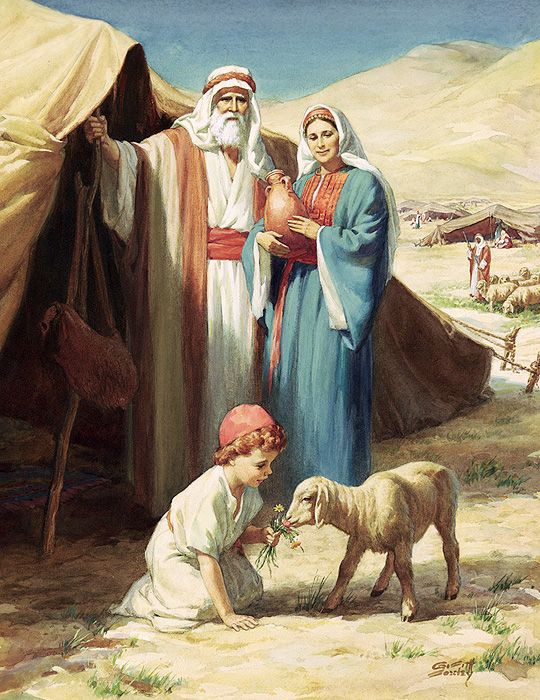
1. What did the Lord himself give as the specific reason he was going to give Abraham such great blessings? What implications does this have for child-rearing today? (18:19)
2. What application can we make of Abraham’s bargaining with the Lord over the fate of Sodom? Would the Lord spare Miami or any similar city for the sake of ten good people in it?
3. What are the biggest contributions of the Joseph Smith Translation to our better understanding Genesis 18-19, with its story of the visit of mysterious strangers and the destruction of Sodom and Gomorrah?
4. If Sodom was so wicked, why hadn’t Lot and his family moved out long ago, before the Lord insisted on it?
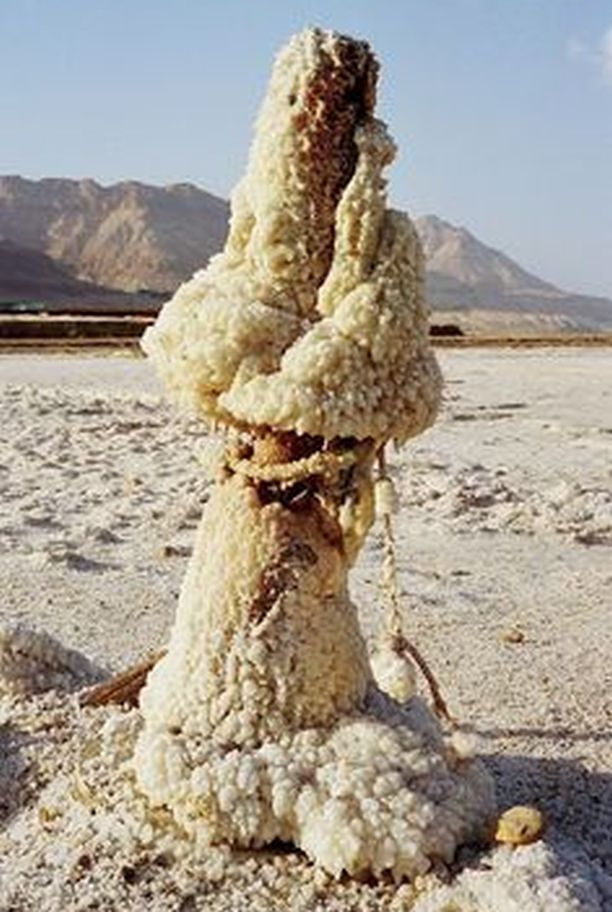
5. Why was the Lord so strict that He turned Lot’s wife into a pillar of salt just for taking a final glance at her old home in Sodom?
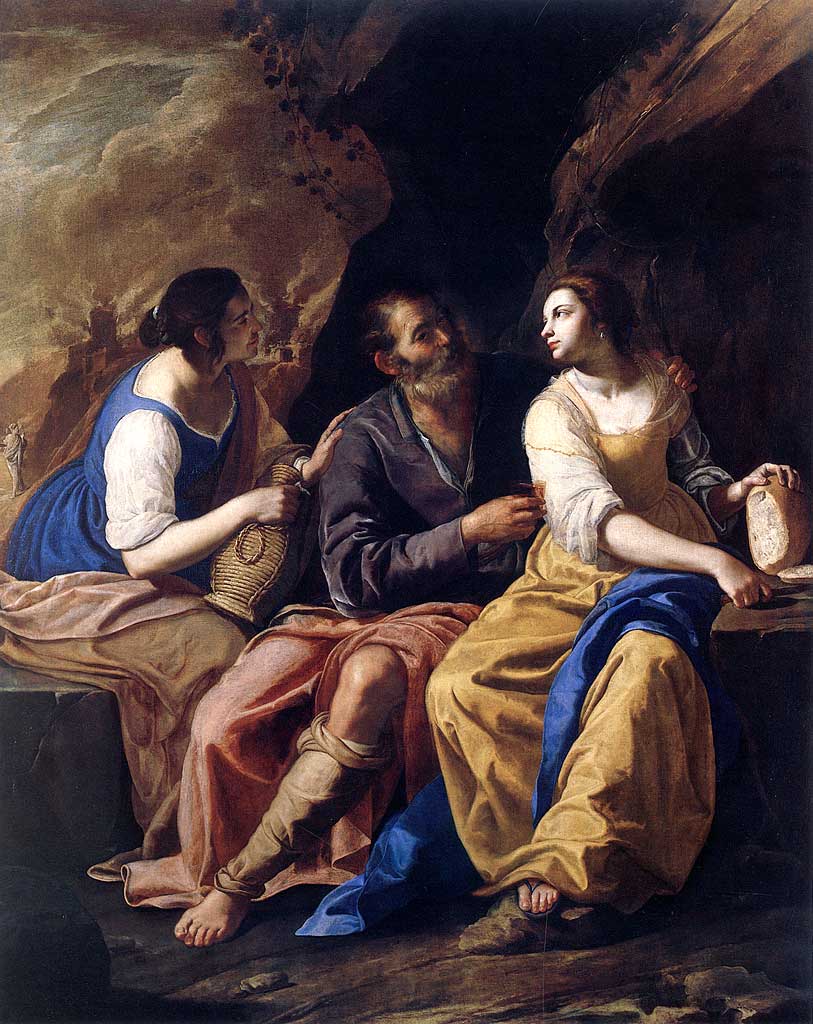
6. If Lot’s daughters were righteous enough to be saved from the destruction of Sodom, how can you account for their subsequently committing incest with their father? (19)
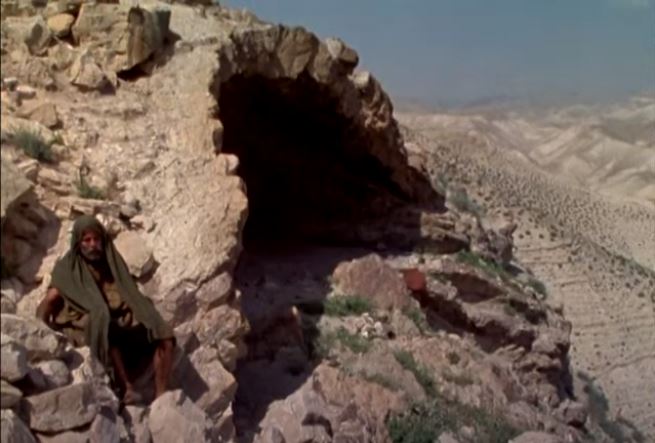
7. Why would Lot have been so afraid of living in Zoar that he preferred to live in a cave, if he hadn’t been afraid of living in the notoriously wicked and dangerous Sodom? (19:30)
8. How would you respond to the following argument? “To be consistent, those who would ban pornography would have to censor the Bible, whose pages are filled with accounts of rape, incest, adultery, and other sexually explicit material.”

9. Why would the Lord have had Abraham send Hagar and Ishmael out into the desert, where they could easily have died, just to appease Sarah’s jealousy? Couldn’t such a great family man as Abraham have found a way to promote greater family harmony without resorting to such desperate measures?
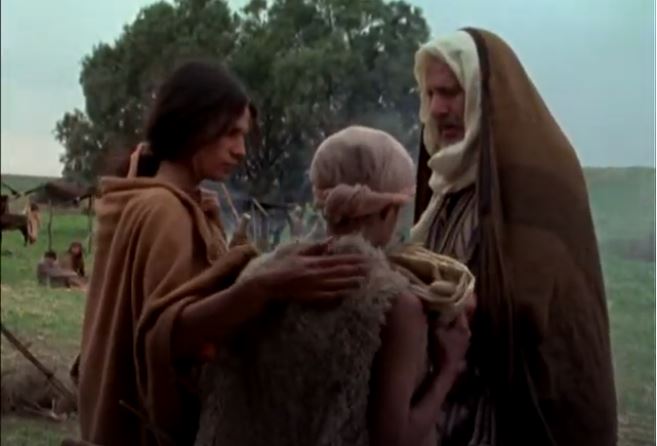
10. Why would Genesis 22:1 tell us that “God did tempt Abraham,” when James 1:13 assures us that God never tempts anyone?
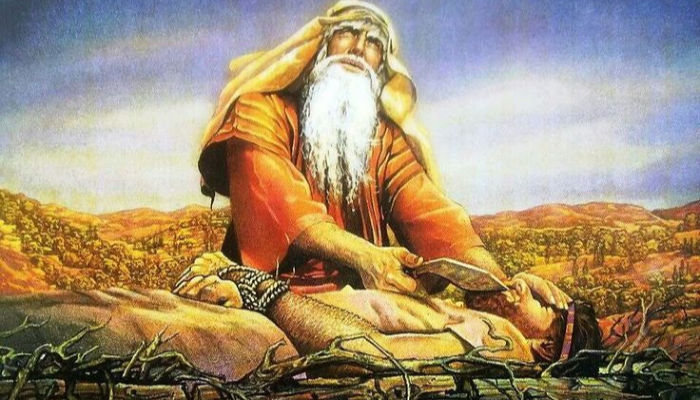
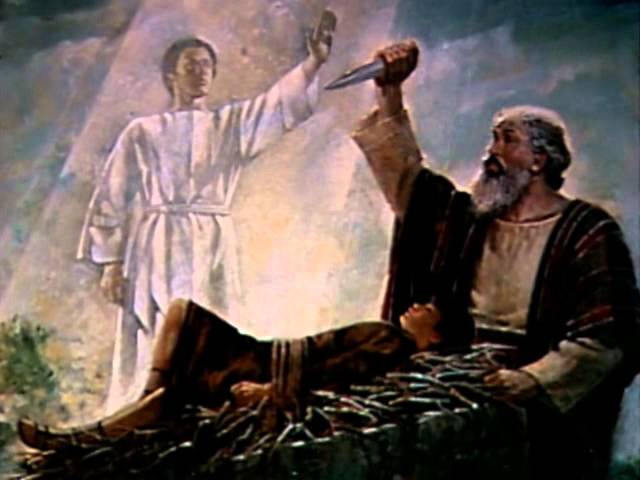
11. What difference does it make to our appreciation of the story to understand that Isaac was probably 25-37 years old at the time of Abraham’s sacrifice, rather than a young boy?
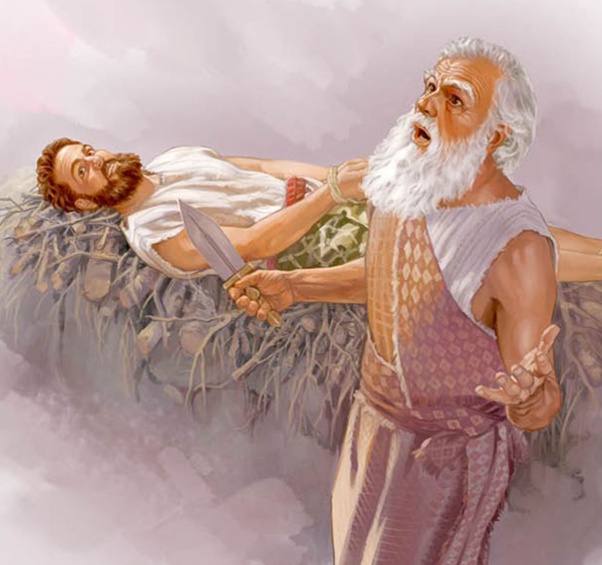
12. Jacob 4:5 tells us that the sacrifice of Isaac was “a similitude of God and his Only Begotten Son.” How many parallels can you see between the sacrifice of Isaac and that of Jesus Christ? What are the most obvious differences?
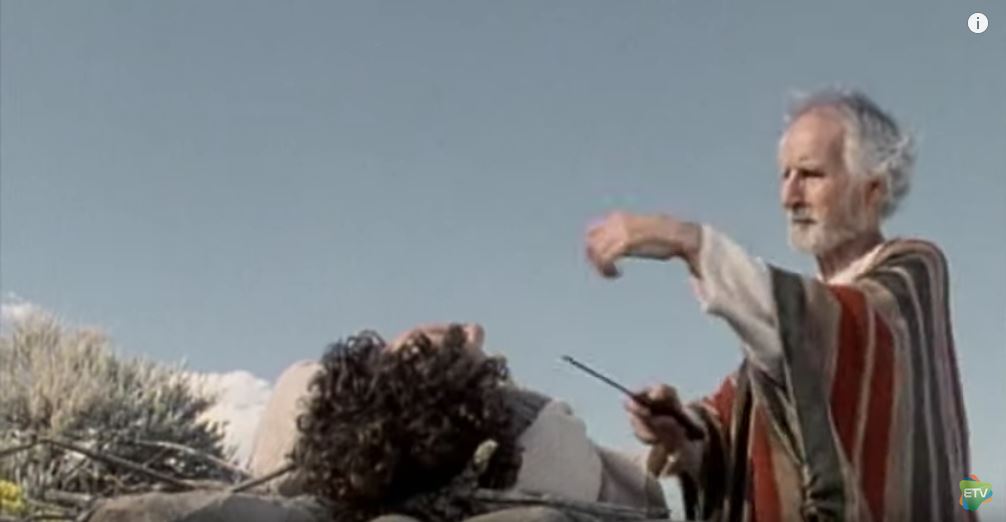
13. Why was it particularly appropriate for the Lord to ask Abraham to sacrifice Isaac?
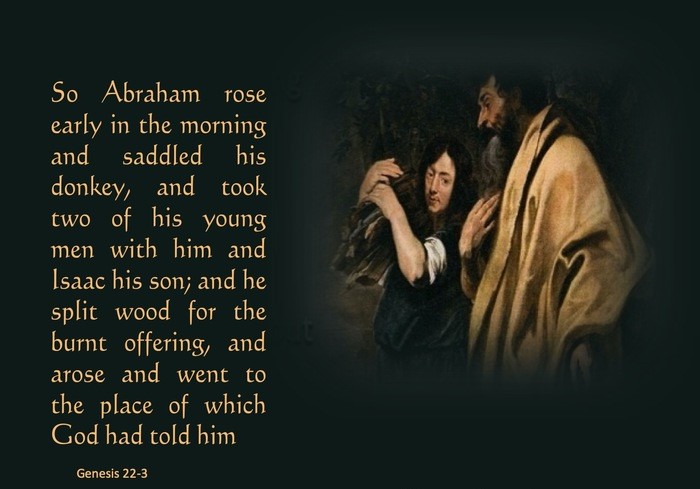
14. Why does Moses make a point of telling us that “Abraham rose up early in the morning” (22:3) to start his journey to sacrifice Isaac? Can you think of more than one possible reason?
15. What specific modern applications can you see for the story of the sacrifice of Isaac? Have you known of anyone in the last several centuries who has been asked to sacrifice a son? Why doesn’t the Lord require it of Abraham’s descendants, if he required it of Abraham?
16. How many cases of divine communication or miracles can you find in chapters 18-23? What general principle can you formulate from these multiple examples?
17. What extra-biblical evidence is there for the destruction of Sodom and Gomorrah?
Possible Answers to Points to Ponder in Genesis 18-23
1. What did the Lord himself give as the specific reason he was going to give Abraham such great blessings? What implications does this have for child-rearing today? (18:19)
Knowing that Abraham would lead his children rightly, the Lord could promise him an endless posterity. Our own eligibility for eternal increase may likewise hinge in part on our proving we can be good parents here.
2. What application can we make of Abraham’s bargaining with the Lord over the fate of Sodom? Would the Lord spare Miami or any similar city for the sake of ten good people in it?
A righteous few can have an influence far out of proportion to their numbers. Yes, the Lord might spare Miami for the sake of the righteous. Over and over this happens in the Book of Mormon. But when the numbers are too few, as in Sodom, the Lord may have the few righteous leave, or the wicked may succeed in expelling them, thus depriving the city of any promise of divine protection.
3. What are the biggest contributions of the Joseph Smith Translation to our better understanding Genesis 18-19, with its story of the visit of mysterious strangers and the destruction of Sodom and Gomorrah?
- Although the Lord appeared to Abraham in 18:1, He was not one of the “three men” who visited Abraham in verse 2. They were, however, “angels which were holy men and were sent forth after the order of God.”
- Though the King James Version reports only two angels visiting Lot in Sodom, the JST says there were three. It appears likely they were the same three who visited Abraham.
- The JST indicates Lot did NOT offer his daughters to the men of Sodom as a substitute for the men (angels) in his home.
- The JST specifies that Lot’s daughters “did wickedly” in committing incest with their father.
4. If Sodom was so wicked, why hadn’t Lot and his family moved out long ago, before the Lord insisted on it?
We don’t know. Possibly:
- Even Lot may have been influenced by the evil in his surroundings, as 2 Ne. 28 suggests would be true in our day.
- Or perhaps he hoped he could be a good example.
- Or perhaps he believed he could teach and protect his family even in the midst of evil.
5. Why was the Lord so strict that He turned Lot’s wife into a pillar of salt just for taking a final glance at her old home in Sodom?
Most likely she didn’t just glance back but according to some traditions actually returned to Sodom and was there destroyed along with the city’s other inhabitants. The “pillar of salt” idea may have come from the prevalence of “pillars of salt” in the Dead Sea near the reputed site of ancient Sodom.
6. If Lot’s daughters were righteous enough to be saved from the destruction of Sodom, how can you account for their subsequently committing incest with their father?
Evidently the daughters had been righteous enough up to that point that they had not violated the law of chastity. Based on their conduct thus far, God was willing to spare them. But it appears they were not sufficiently committed to the gospel but that they were later willing to violate a commandment rather than trust the Lord to help them find worthy husbands in His own due time.
7. Why would Lot have been so afraid of living in Zoar that he preferred to live in a cave, if he hadn’t been afraid of living in the notoriously wicked and dangerous Sodom? (19:30)
It appears Lot may have learned his lesson. By now he evidently knew the danger of living among the wicked and knew his family would be safer spiritually, if less physically comfortable, in a cave than in the city. It is possible, of course, that there were other unmentioned dangers in Zoar, but it would have been hard for them to have exceeded those of Sodom, where Lot had been all too comfortable.
8. How would you respond to the following argument? “To be consistent, those who would ban pornography would have to censor the Bible, whose pages are filled with accounts of rape, incest, adultery, and other sexually explicit material.”
While the Bible is in places explicit in its descriptions of sexual misconduct, it never glorifies such conduct but consistently teaches the consequences thereof–especially in the JST. See, for example, the JST footnote to 19:31, which emphasizes the wrongness of the conduct of Lot’s daughters.
9. Why would the Lord have had Abraham send Hagar and Ishmael out into the desert, where they could easily have died, just to appease Sarah’s jealousy? Couldn’t such a great family man as Abraham have found a way to promote greater family harmony without resorting to such desperate measures?
The historian Josephus suggests Sarah had a not unreasonable concern that an older and possibly jealous Ishmael might cause Isaac harm after Abraham died. Gen. 21:9 indicates Ishmael was mocking Isaac and might well have resorted to more extreme measures later. Also, this could have been another divine test for Abraham, to see if he willing to give up both a son and a wife at the Lord’s bidding.
10. Why would Genesis 22:1 tell us that “God did tempt Abraham,” when James 1:13 assures us that God never tempts anyone?
The Hebrew word translated here as “tempt” could better be rendered “test” or “prove,” as most modern Bible translations confirm.
11. What difference does it make to our appreciation of the story to understand that Isaac was probably 25-37 years old at the time of Abraham’s sacrifice, rather than a young boy?
It helps us understand that not only Abraham but also Isaac was being tested by this experience. The Jewish historian Josephus give us this account:
“As soon as the altar was prepared, and Abraham had laid on the wood, and all things were entirely ready, he said to his son, ‘O son, I poured out a vast number of prayers that I might have thee for my son; when thou wast come into the world, there was nothing that could contribute to thy support for which I was not greatly solicitous, nor any thing wherein I thought myself happier than to see thee grown up to man’s estate, and that I might leave thee at my death the successor to my dominion; but since it was by God’s will that I became thy father, and it is now his will that I relinquish thee, bear this consecration to God with a generous mind; for I resign thee up to God who has thought fit now to require this testimony of honor to himself, on account of the favors he hath conferred on me, in being to me a supporter and defender. Accordingly thou, my son, wilt now die, not in any common way of going out of the world, but sent to God, the Father of all men, beforehand, by thy own father, in the nature of a sacrifice. I suppose he thinks thee worthy to get clear of this world neither by disease, neither by war, nor by any other severe way, by which death usually comes upon men, but so that he will receive thy soul with prayers and holy offices of religion, and will place thee near to himself, and thou wilt there be to me a succorer and supporter in my old age; on which account I principally brought thee up, and thou wilt thereby procure me God for my Comforter instead of thyself.’
“Now Isaac was of such a generous disposition as became the son of such a father, and was pleased with this discourse; and said, ‘That he was not worthy to be born at first, if he should reject the determination of God and of his father, and should not resign himself up readily to both their pleasures; since it would have been unjust if he had not obeyed, even if his father alone had so resolved.’ So he went immediately to the altar to be sacrificed.”
If Isaac was, in fact, a mature adult, it is clear he could have run away or subdued his aged father, had he chosen to do so. Instead, he, like his faithful father, showed his willingness to accept God’s will.
12. Jacob 4:5 tells us that the sacrifice of Isaac was “a similitude of God and his Only Begotten Son.” How many parallels can you see between the sacrifice of Isaac and that of Jesus Christ? What are the most obvious differences?
Both involved:
- A father’s only son (at least Abraham’s only son through Sarah)
- A miraculous birth
- Both Isaac and Jesus were probably about the same age (Isaac is variously estimated to have been about 25-37 years old at this time.)
- A willing sacrifice (Both Jesus and Isaac could have escaped, had they so chosen.)
- The “victim’s” helping carry the wood for his own sacrifice
- Servants or apostles told to stay behind
- Isaac saved from death on the “third day,” and Christ rose on the third day
- The site of Jerusalem
The major differences were that Abraham didn’t have to go through with his sacrifice, and the sacrifice of Isaac would not have atoned for the sins of mankind.
13. Why was it particularly appropriate for the Lord to ask Abraham to sacrifice Isaac?
Abraham himself had nearly been sacrificed as a child by his own father. Presumably he hated nothing worse than human sacrifice and loved nothing more than the child for whom he had waited 100 years. The Lord could have found no more poignant way in which to test Abraham than to ask him to offer his son as a human sacrifice!
14. Why does Moses make a point of telling us that “Abraham rose up early in the morning” (22:3) to start his journey to sacrifice Isaac? Can you think of more than one possible reason?
It was probably to highlight Abraham’s eagerness to comply with the Lord’s command. But it could also have been that Abraham wanted not to have to explain to Sarah what he was about to do, so left while she was still sleeping!
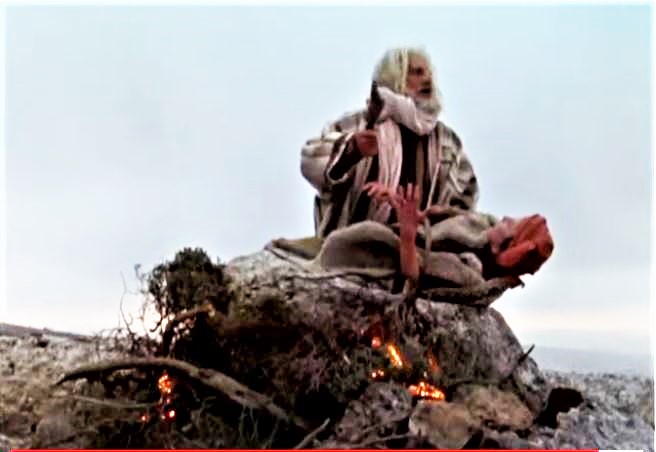
15. What specific modern applications can you see for the story of the sacrifice of Isaac? Have you known of anyone in the last several centuries who has been asked to sacrifice a son? Why doesn’t the Lord require it of Abraham’s descendants, if he required it of Abraham?
- The Lord does require the same kind of willingness to sacrifice anything He might ask. Concerning the early saints in Jackson County, Missouri, He said: “Therefore, they must needs be chastened and tried, even as Abraham, who was commanded to offer up his only son. For all those who will not endure chastening, but deny me, cannot be sanctified.” (Doctrine and Covenants 101:4 – 5.) Latter-day prophets have emphasized the same point:
- John Taylor said: “I heard the Prophet Joseph say, in speaking to the Twelve on one occasion: ‘You will have all kinds of trials to pass through. And it is quite as necessary that you be tried as it was for Abraham and other men of God, and . . . God will feel after you, and He will take hold of you and wrench your very heart strings, and if you cannot stand it you will not be fit for an inheritance in the Celestial Kingdom of God” (Journal of Discourses, 24:197).
- Brigham Young similarly taught: “If we obtain the glory that Abraham obtained, we must do so by the same means that he did. If we are ever prepared to enjoy the society of Enoch, Noah, Melchizedek, Abraham, Isaac, and Jacob, or of their faithful children, and of the faithful Prophets and Apostles, we must pass through the same experience, and gain the knowledge, intelligence, and endowments that will prepare us to enter into the celestial kingdom of our Father and God. How many of the Latter-day Saints will endure all these things, and be prepared to enjoy the presence of the Father and the Son? You can answer that question at your leisure. Every trial and experience you have passed through is necessary for your salvation” (Discourses of Brigham Young, 345).
- The Lord doesn’t ask us to sacrifice loved ones today as burnt offerings, but we experience much the same test when a loved one dies or other seeming tragedies occur in our lives and we are allowed to determine what our attitude will be toward God thereafter. If we can cheerfully say, “Thy will be done,” we will have passed the test. If we become bitter toward God, we will have failed it.
- Finally, the Lord will give each of us plenty of opportunities to show whether we will choose him first or whatever else is most precious to us. If we pass or fail the test early, we may not need to be constantly retested.
16. How many cases of divine communication or miracles can you find in chapters 18-23? What general principle can you formulate from these multiple examples?
I count 20:
- The Lord appeared to Abraham in 18:1.
- It is not clear who the three men were who appeared to Abraham in the beginning of Genesis 18 and who visited Lot in Sodom. But they appear to have been mortals, despite their identification in the Joseph Smith Translation as “angels which were holy men and were sent forth after the order of God.” The word “angel” simply means “messenger.” Since the men ate food with Abraham, and since none had as yet been resurrected, it seems unlikely that these were either pre-mortal or post-mortal beings. In any case, they were clearly sent by God and wielded His power.
- 18:10: The messengers promise Sarah will have a son.
- 18:22-33: The Lord reveals to Abraham that He is willing to spare Sodom if even ten righteous individuals can be found in it.
- 19:11: The messengers smite the men of Lot with blindness.
- 19:16: The messengers lead Lot and his wife and daughters out of Sodom, evidently with divine power and protection.
- 19:24: The Lord rains brimstone and fire upon Sodom and Gomorrah.
- 19:26 seems to say that Lot’s wife was miraculously turned into a pillar of salt just for turning around and looking back at Sodom. But other sources suggest she actually went back, and was destroyed by the fire and brimstone which destroyed the rest of the city.
- 20:3: God comes to Abimelech in a dream.
- 20:6: God prevented Abimelech from abusing Sarah.
- 20:17: God healed Abimelech and his wife and household following Abraham’s prayer.
- 21:1: “The Lord visited Sarah” and helped her conceive and bear Isaac.
- 21:12: God speaks to Abraham and tells him to send Hagar and Ishmael away, promising that Ishmael will become a great nation.
- 21:17: An angel speaks to Hagar.
- 21:19: A well of water springs up in the desert.
- 21:20: “God was with” Ishmael, and he survived and thrived in the desert.
- 22:1-2: God asks Abraham to sacrifice Isaac.
- 22:11: An angel intervenes at the last minute to spare Isaac.
- 22:13: A ram is provided in a nearby thicket for the offering.
- 22:15 The angel of the Lord calls unto Abraham out of heaven again and confirms the previous promise of innumerable posterity.
The general principle which can be formulated from these examples is the same as the Lord’s messenger suggested in 18:14: Nothing is too hard for the Lord, and He will use His power to help us accomplish all that He wants us to do.
17. What extra-biblical evidence is there for the destruction of Sodom and Gomorrah?
DeepSeek AI provides the following overview:
The question of archaeological evidence for Sodom and Gomorrah is a fascinating one, though it’s important to approach it with nuance. There is no single piece of evidence that definitively proves the biblical story, but a compelling body of archaeological and geological findings has emerged that some scholars believe closely aligns with the events described in Genesis .
The evidence primarily centers on two main locations in modern-day Jordan that are leading candidates for the biblical “Cities of the Plain”: the southeastern sites of Bab edh-Dhra and Numeira, and the northeastern site of Tall el-Hammam.
Here is a summary of the key archaeological findings associated with these sites.
🏛️ Candidate Sites and Their Evidence
Two primary locations have been excavated that scholars propose as the possible sites of the destroyed cities.
- The Southeastern Candidate: Bab edh-Dhra and Numeira
This theory, championed by archaeologists like Bryant Wood, identifies Bab edh-Dhra as Sodom and Numeira as Gomorrah . Excavations at both sites from the 1970s to 1990s revealed a sudden and violent destruction by fire around 2350-2100 BC . At Bab edh-Dhra, archaeologists found a thick layer of ash and debris, with evidence that the fire started on the roofs of buildings—suggesting something rained down from above . Intriguingly, a nearby cemetery was also burned, which would be unusual for a typical military attack and aligns with the biblical account of the entire area being consumed . - The Northeastern Candidate: Tall el-Hammam
Since 2005, excavator Steven Collins has proposed Tall el-Hammam as Sodom . This site was a massive, fortified city destroyed by an incredibly intense event at the end of the Middle Bronze Age (around 1650 BC) . The evidence includes pottery shards melted into glass, scorched foundations buried under thick ash, and a “melted” surface on some pottery, indicating brief exposure to temperatures over 2,000 degrees Fahrenheit . A 2021 study in the journal Scientific Reports even proposed that a cosmic airburst (a meteor explosion) in the atmosphere could explain the evidence of ultra-high temperatures, shocked minerals, and the sudden nature of the destruction . This study noted the striking similarity to the biblical description of “fire from the heavens” .
🌍 Geological and Historical Corroboration
Beyond the specific city ruins, other lines of evidence provide a broader context for the biblical story.
- Geological Context: The Dead Sea region is geologically active, sitting atop significant deposits of bitumen (asphalt) and sulfur . Earthquakes in such an area could potentially ignite these flammable materials, raining “brimstone and fire” down on the cities . The very “tar pits” mentioned in Genesis 14:10 are a realistic feature of this landscape .
- Ancient City Names: Remarkably, the names of the cities themselves appear in ancient texts outside the Bible. The Ebla Tablets from around 2350 BC list the names “si-da-mu” (Sodom) and “i-ba-ra” (possibly Gomorrah) . The Egyptian Execration Texts (c. 19th-18th century BC) also curse “Ṣdmy” (Sodom) and “Iḡmr” (Gomorrah), confirming these were real place names in the region during the Bronze Age .
- Classical Historians: Later writers like Josephus, Strabo, and Tacitus all described a desolate, burned-over region near the Dead Sea in their time, with visible ruins and a landscape that produced ash-like fruit . This indicates a persistent historical memory of a cataclysmic event in that area.
🤔 Scholarly Debate
It is crucial to understand that this is not a settled issue. The evidence is interpreted differently by various experts.
- The Chronology Challenge: A major point of debate is the dating. The destruction of Tall el-Hammam (~1650 BC) appears to be several centuries too late to align with the traditional biblical timeline for Abraham, which places the event around 2100-1900 BC . Proponents of Tall el-Hammam argue for different interpretations of the pottery chronology or the biblical timeline, but many other archaeologists remain unconvinced .
- Location, Location, Location: The traditional southern location at Bab edh-Dhra has its own challenges, as it may have been destroyed before Abraham’s time . The debate often hinges on how one interprets the geographical clues in Genesis 13, with the northern and southern camps reading the text differently .
In summary, while no “smoking gun” inscription has been found declaring “this is Sodom,” the archaeological evidence reveals that prosperous Bronze Age cities in the Dead Sea region were indeed obliterated by an intense, sudden fire . This, combined with the appearance of their names in ancient city lists, provides a powerful circumstantial case that the biblical story is rooted in a real historical catastrophe .