Note: This site is no longer being maintained. For the current version of this post, go to Points to Ponder in Micah, Nahum, Habakkuk, and Zephaniah
To accompany your Come Follow Me study for November 30-December 6
In addition to reading the indicated chapters, you may wish to:
- Read the applicable portions of the Old Testament Institute Student Manual at https://www.churchofjesuschrist.org/study/manual/old-testament-student-manual-kings-malachi/chapter-20?lang=eng, https://www.churchofjesuschrist.org/study/manual/old-testament-student-manual-kings-malachi/chapter-22?lang=eng, and https://www.churchofjesuschrist.org/study/manual/old-testament-student-manual-kings-malachi/chapter-21?lang=eng.
- Watch any or all of the following videos:
If you would like a Kahoot game related to this material which you could use for personal study or use with your family or your class, click here: https://create.kahoot.it/share/micah-nahum-habakkuk-and-zephaniah/b1cbb88b-7e9d-41b4-a77a-335d42770fd4
Meandering through Micah
Find the scriptural reference for each of the following, which can be found in chronological order in the book of Micah:
1. Micah was not only a prophet but a “seer,” who had had a vision. (Chapter 1)
2. Many people prefer prophets who will tell them that whatever they are doing or want to do is right. (Chapter 2)
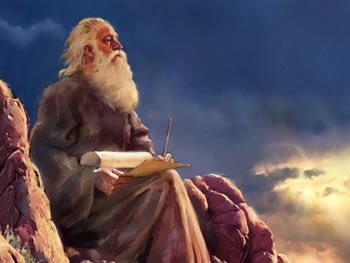
3. Micah foresaw a future day of apostasy when there would no longer be revelation from God. (Chapter 3)
4. Micah did not look favorably on the idea of a paid ministry. (Chapter 3)
5. Passage which Micah either borrowed from Isaiah, Isaiah borrowed from Micah, or both borrowed from a common source to tell of a day when universal peace will prevail, and God’s law will be respected throughout the world. (Chapter 4)
6. Two verses quoted by the Savior in 3 Nephi 20. (Chapter 4)
7. Jesus would be born in a relatively insignificant small town. (Chapter 5)
8. The Lord intends Israel to be an uplifting influence among all people. (Chapter 5)
9. Eight more verses quoted in the Book of Mormon. (Chapter 5)
10. “In these few lines Micah has summed up the essence of the teachings of the prophets.” “Verse justly regarded as one of the memorable and timeless expressions of Old Testament ethical religion (cf. James 1:27).” (Chapter 6)
11. Passage quoted or paraphrased by Jesus in Matthew 10. (Chapter 7)
12. The gathering of Israel in the last days will be accompanied by miracles comparable to those of the Exodus. (Chapter 7)
Points to Ponder in Nahum, Habakkuk, and Zephaniah
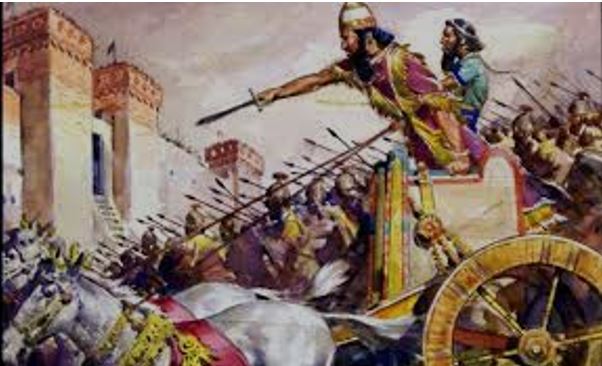
1. Why is the Lord going to destroy Nineveh if they had totally repented after listening to Jonah?

2. Can you find passages in Nahum which show both the Lord’s
- Stern side?
- Merciful side?
3. So, which is God—stern or merciful? How can you reconcile those two descriptions?
4. To whom is Nahum 1:15 referring, that “bringeth good tidings, that publisheth peace”?
5. Most of our prayers are expressions of thanks or requests for blessings. Have you ever asked the Lord a direct question, as Habakkuk did (1:3; 1:13, etc.)? Would you recommend it? Why or why not?

6. In your own words, what was the Lord’s answer to Habakkuk’s question as to why the Lord seemed indifferent to the violence an wickedness in the land?
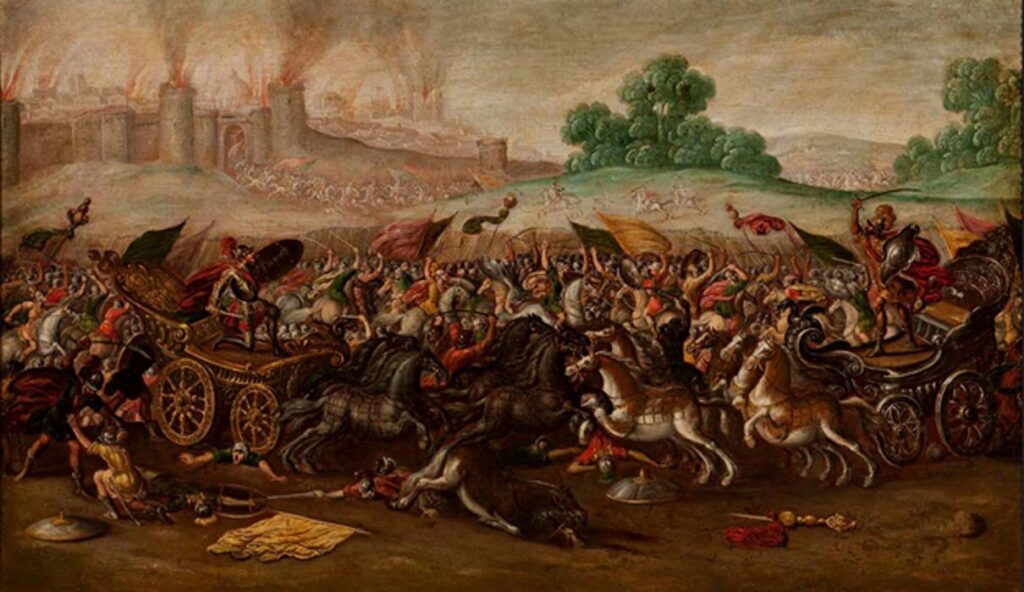
7. In your own words, why did the Lord use the Babylonians to punish the Jews, when the Jews were the more righteous of the two nations?
8. What does Habakkuk 2:4 really mean, which says “the just shall live by his faith”?
9. What applications can you think of for Habakkuk 2:20, which says, “The Lord is in his holy temple: let all the earth keep silence before him”?

10. Can you reword Zephaniah 1:2-3 to make it read as you think the prophet meant it?
11. Why would the Lord punish people for being clothed with “strange apparel”? (Zeph. 1:8; see also Matt. 22:1-14 and Rev. 19:8.) Is this referring to some kind of celestial dress code? Can’t you show up to church in whatever you have available?

12. Where have you seen the idea which is expressed in Zephaniah 1:12? How involved do you think God is in the day to day events of our lives?
13, Can you think of two possible meanings for Zephaniah 3:9? Which one do you think Zephaniah himself had in mind?

14. What other passages did you find in this week’s reading that you thought were worth underlining?
Possible Answers to the Meandering through Micah Exercise
Answers to the Meandering through Micah Exercise
1. Micah was not only a prophet but a “seer,” who had had a vision. (Chapter 1)
1:1
2. Many people prefer prophets who will tell them that whatever they are doing or want to do is right. (Chapter 2)
2:11

3. Micah foresaw a future day of apostasy when there would no longer be revelation from God. (Chapter 3)
3:6-8

4. Micah did not look favorably on the idea of a paid ministry. (Chapter 3)
3:11
5. Passage which Micah either borrowed from Isaiah, Isaiah borrowed from Micah, or both borrowed from a common source to tell of a day when universal peace will prevail, and God’s law will be respected throughout the world. (Chapter 4)
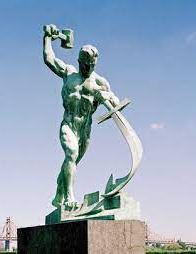
4:1-3. There is no agreement among scholars as to which came first, Micah 4:1-3 or Isaiah 2:2-4. The two prophets were contemporaries. Both could have borrowed the idea of beating swords into plowshares from Joel 3:10, though it is also possible that Joel himself was repeating either Micah’s or Isaiah’s message, as there is no agreement as to whether Joel preceded or followed those prophets. Some propose that the Lord could have independently inspired each prophet with an identical message. But anciently there was not the same concern with giving literary credit as there is today. One writer observed that “one Bible scholar has found that the four gospels attest to the fact that Jesus Christ and the apostles consistently quoted scripture. He calculated that over “ten percent of the daily conversation of Jesus consisted of Old Testament words quoted literally” and nearly 50% of the Lord’s words as quoted by John were quotations from the Old Testament.” Yet neither the Savior nor His apostles felt it necessary to clutter their messages by constantly citing references to the original Old Testament passage from which they were teaching.
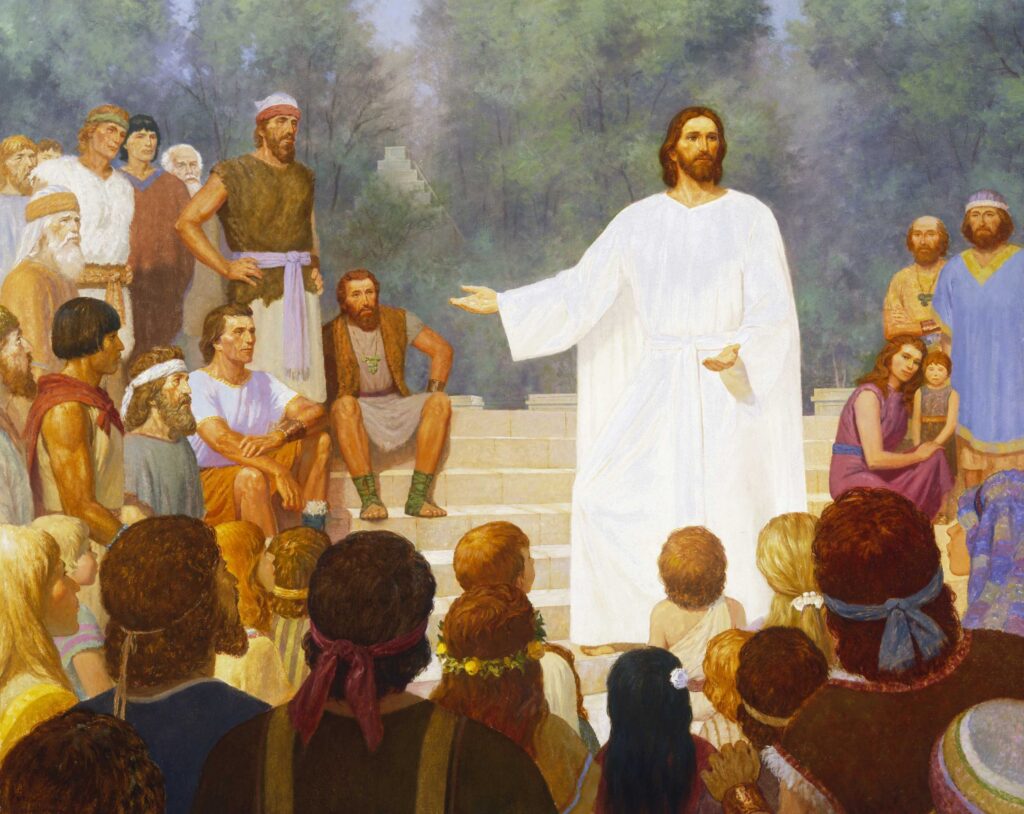
6. Two verses quoted by the Savior in 3 Nephi 20. (Chapter 4)
4:12-13
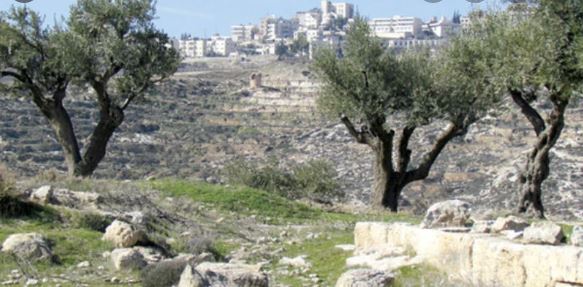
7. Jesus would be born in a relatively insignificant small town. (Chapter 5)
5:2
8. The Lord intends Israel to be an uplifting influence among all people. (Chapter 5)
5:7
9. Eight more verses quoted in the Book of Mormon. (Chapter 5)
5:8-15
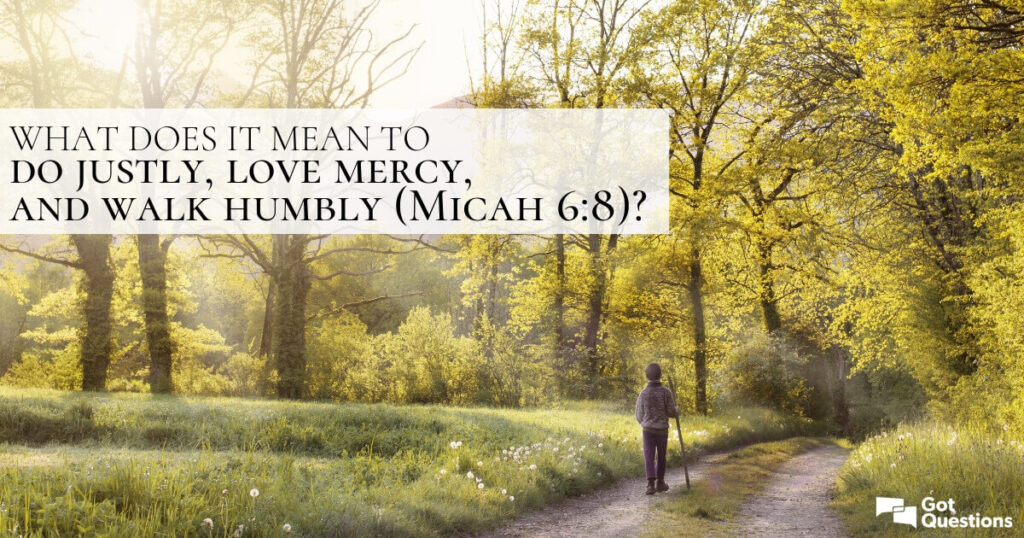
10. “In these few lines Micah has summed up the essence of the teachings of the prophets.” “Verse justly regarded as one of the memorable and timeless expressions of Old Testament ethical religion (cf. James 1:27).” (Chapter 6)
6:8
11. Passage quoted or paraphrased by Jesus in Matthew 10. (Chapter 7)
7:6
12. The gathering of Israel in the last days will be accompanied by miracles comparable to those of the Exodus. (Chapter 7)
7:15
Possible Answers to Points to Ponder in Micah, Nahum, Habakkuk, and Zephaniah
1. Why is the Lord going to destroy Nineveh if they had totally repented after listening to Jonah?
Jonah’s success evidently predated Nahum’s time. As so often was the case in the Old Testament (and in the Book of Mormon), a righteous people turned all to quickly to wickedness and was now ripe for destruction. (Jonah was finally going to get his wish!)
2. Can you find passages in Nahum which show both the Lord’s
- Stern side?
1:2: Jealous, revengeth; furious
1:6: Fierceness of his anger
- Merciful side?
1:3: Slow to anger
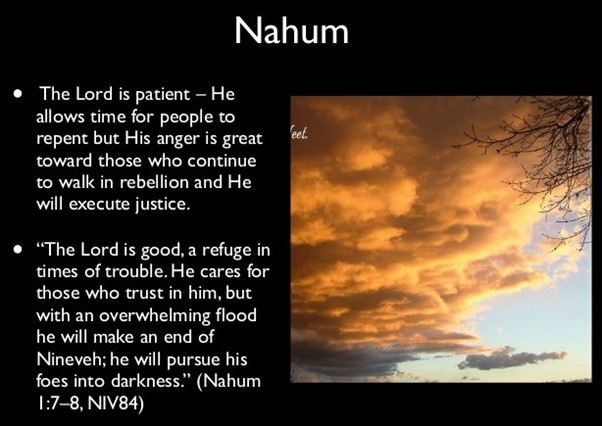
1:7: The Lord is good, a strong hold in the day of trouble
3. So, which is God—stern or merciful? How can you reconcile those two descriptions?
He is both. There is no contradiction. He is indeed furious toward the wicked. But He is extremely patient with those who are trying to follow Him but are not yet perfect. Many have had the same problem in reconciling the supposed stern God of the Old Testament with the loving Jesus Christ of the New Testament. But they, again, are one and the same.
4. To whom is Nahum 1:15 referring, that “bringeth good tidings, that publisheth peace”?
One could say it refers to missionaries in general, and certainly the passage could be applied to them. Romans 10:15 and Mosiah 15:13-17 in fact do use the same language to refer to all prophets and missionaries. But the original meaning of Nahum’s passage seems to refer to one individual, as the verbs are in the singular form. Mosiah 15:18 goes on to specifically apply it to “the founder of peace, yea, even the Lord, who has redeemed his people.” It appears that Nahum is similarly applying it uniquely to our Savior and Redeemer.
5. Most of our prayers are expressions of thanks or requests for blessings. Have you ever asked the Lord a direct question, as Habakkuk did (1:2, 3; 1:13, etc.)? Would you recommend it? Why or why not?
Your choice. I personally have asked God questions. But I understand from D&C 9:7-9 that the Lord is not impressed with questions that ask Him to excuse us from research and meditation we should for ourselves. So, we would do well not to ask Him questions such as, “What should I major in at college?” Or,“Should I take that new job offer or not?” Or,“Whom should I ask to marry me?” But He could well be receptive to pleas such as, “Help me to decide what to major in,” etc. Or to a question such as, “Lord, as I have carefully analyzed my own strengths and interests and job opportunities in the field, I have tentatively decided I should major in civil engineering. Is that acceptable to you?”
6. In your own words, what was the Lord’s answer to Habakkuk’s question as to why the Lord seemed indifferent to the violence and wickedness in the land?
The Lord assures Habakkuk in 1:6 that He isn’t indifferent at all but is imminently going to raise up the Chaldeans, or Babylonians, who will amply punish Judah for her wickedness. The Lord was just evidently a little more willing than Habakkuk was to give the Jews every opportunity to repent before bringing destruction and captivity upon them.
7. In your own words, why did the Lord use the Babylonians to punish the Jews, when the Jews were the more righteous of the two nations?
Just as the Lord didn’t fully answer tell Job why he had been tested, neither did He directly answer Habakkuk’s question. But we could mention the following as at least a partial answer:
- More was expected of Judah. Where much is given, much is required.
- Babylon was not going to get away unscathed but would herself be destroyed in due time. See Habakkuk 2:8ff.
- The Babylonians were whom the Lord had at His disposal. A more righteous nation would not have been so inclined to destroy Judah.
- All we really have to know is that the Lord is righteous and is in control. We can proceed with faith that He is doing what is right, at the right time.
8. What does Habakkuk 2:4 really mean, which says “the just shall live by his faith”?
The word translated here as “faith” really means “faithfulness,” as the footnote makes clear. The righteous are more likely to survive even temporally with the Lord’s blessings, but in any case they will have “eternal life,” in the world to come.
9. What applications can you think of for Habakkuk 2:20, which says, “The Lord is in his holy temple: let all the earth keep silence before him”?
The following ideas come to me:
- If the Lord is in his holy temple, I would do well to be there frequently.
- We should be “silent” in chapels and temples, except as warranted by the meetings or ceremonies in which we may be participating.
- Silence is conducive to revelation.
10. Can you reword Zephaniah 1:2-3 to make it read as you think the prophet meant it?
As the heading to Zephaniah 1 suggests, this passage may have a dual application both to the Babylonian destruction of Judah and to the destruction of the wicked at the last day. It would be more accurate to say that the Lord will “consume all wicked men” and “cut off wicked men” from off the land, as the righteous will be preserved and will live on the Millennial earth.
11. Why would the Lord punish people for being clothed with “strange apparel”? (Zeph. 1:8; see also Matt. 22:1-14; Rev. 19:8.) Is this referring to some kind of celestial dress code? Can’t you show up to church in whatever you have available?
An examination of all the cited scriptures makes it clear that the Lord is not talking about literal clothing but about the symbolic “fine linen” which is “the righteousness of saints.”
12. Where have you seen the idea which is expressed in Zephaniah 1:12? How involved do you think God is in the day to day events of our lives?
It sounds to me much like the sentiment foretold in 2 Nephi 28:5, where men would say “there is no God today, for the Lord and the Redeemer hath done his work, and he hath given his power unto men.” I am convinced from personal experience that while the Lord gives us agency, He is nonetheless intimately involved in the details of our lives, blessing us with constant little miracles and “tender mercies,” or withholding them as may be for our best good.
13. Can you think of two possible meanings for Zephaniah 3:9? Which one do you think Zephaniah himself had in mind?
- Some think this has reference to the language of Adam, which Moses 6:5-6 tells us was “pure and undefiled,” and which conceivably could be restored for our use once again.
- Another meaning could be that at a future time our language will be free of impurities such as profanity, blasphemy, vulgarity, etc., and will reflect the purity of our hearts as we offer praise to God. My own opinion is that this is closer to what Zephaniah had in mind. I know of no particular reason why the Lord would have felt it necessary to give him information about the Adamic tongue.
14. What other passages did you find in this week’s reading that you thought were worth underlining?
Your choice. My list includes:
- Nahum 1:7: God knoweth them that trust in him.
- Habakkuk 1:2: Sounds a lot like Joseph Smith’s lament in Liberty Jail (D&C 121.)
- Habakkuk 2:14: The earth shall be filled with the knowledge of the glofy of the Lord, as the waters cover the sea.
- Habakkuk 3:17-19: Even though we may suffer deprivation, we can rejoice in the Lord and trust in His strength and goodness.
- Zephaniah 1:15: The day of the Lord will be a day of “trouble and distress” of “darkness and gloominess” to the wicked, but quite the opposite for the righteous.
- Zephaniah 2:3: Seek ye the Lord, all ye meek of the earth, to be protected in the day when the Lord wreaks vengeance on the wicked.
- Zephaniah 3:13-20: Lovely prophecy of a future Millennial day.