Note: This site is no longer being maintained. To see the latest version of this post, please go to Points to Ponder in Jeremiah 31-33, 36-39; Lamentations 1, 3.
To accompany your Come Follow Me study for October 26-November 1
In addition to reading the suggested chapters, you may enjoy
- Reading the related material from the Institute student manual at https://www.churchofjesuschrist.org/study/manual/old-testament-student-manual-kings-malachi/chapter-25?lang=eng and https://www.churchofjesuschrist.org/study/manual/old-testament-student-manual-kings-malachi/chapter-24?lang=eng
- See the video Come, Follow Me (Oct 17-23) – Jeremiah 30-36, Lamentations – Jerusalem’s Doom at https://www.youtube.com/watch?v=oK5qJsdt314
If you would enjoy seeing a Kahoot game related to this material which you could use for your own amusement or with your family or class, click here: https://create.kahoot.it/share/jeremiah-30-33-36-lamentations-1-3/a2f355be-4e3d-4e58-92eb-d2882694206f.
Points to Ponder in Jeremiah 31-33, 36-39; Lamentations 1, 3
1. What passages from these chapters help increase your faith in God’s existence, in His goodness, and/or in the truthfulness of the Church of Jesus Christ of Latter-day Saints?
2. What passages from these chapters help teach, motivate, or inspire you to live better?
3. What prophetic passages do you find in these chapters which you believe relate to the mission of Jesus Christ?
4. What are your favorite passages from these chapters relating to the latter days?
5. What does the Lord mean when He says, “Ephraim is my firstborn”? Isn’t Jesus His firstborn?
6. What is Jeremiah 31:29-30 talking about when it refers to sour grapes and children’s teeth? What Article of Faith says basically the same thing?

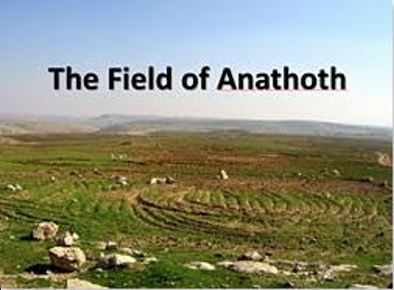
7. Why would Jeremiah have bothered to purchase a field while he was locked up in prison and the Babylonian captivity was imminent? Aren’t there a lot of other things which would have been more useful to Jeremiah at that time?
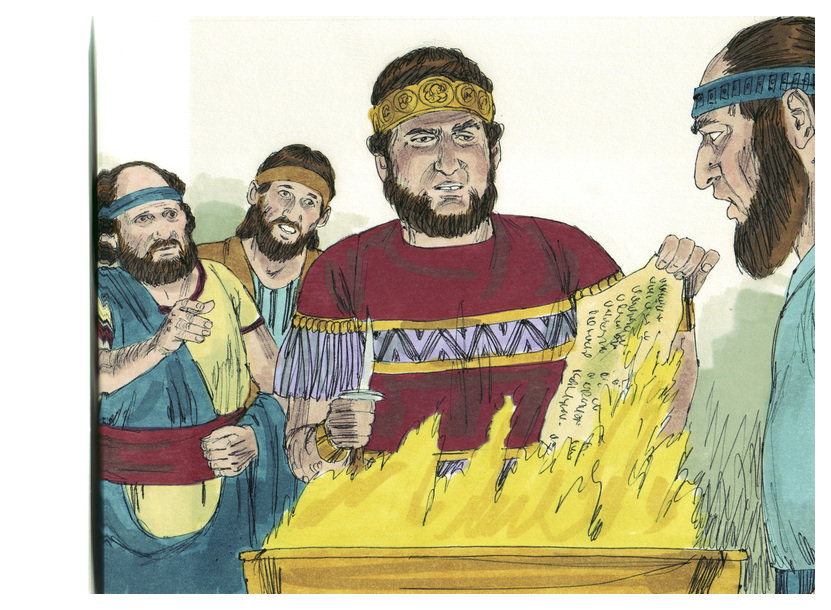
8. Why was it important to Jeremiah to have had the words of his book read before such a hostile audience at the temple?
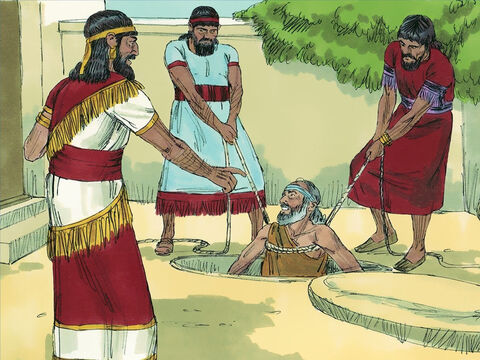
9. Why do you suppose chapters 37-39, which were not part of the Come Follow Me reading assignment four years ago, were added this year?
10. What passages in Lamentations 1 and 3 did you consider worth marking?
Possible Answers to Points to Ponder in Jeremiah 31-33, 36-39; Lamentations 1, 3
1. What passages from these chapters help increase your faith in God’s existence, in His goodness, and/or in the truthfulness of the Church of Jesus Christ of Latter-day Saints?
My list would include:
- Jeremiah 31:12: In a future day there will be no sorrow.
- Jeremiah 36:2-3: Despite the iniquity of the Jews, the Lord gave them one last opportunity to hear His word and repent before destruction came upon them.
- Jeremiah 32:27: Nothing is too hard for the Lord.
- Jeremiah 33:8: The Lord will pardon all our iniquities (upon conditions of repentance).
- Jeremiah 33:11: Promises of future joy and gladness.
- Jeremiah 36:28: The Lord miraculously enables Jeremiah to reproduce word for word the contents of the scroll which the king burned in the fire.
2. What passages from these chapters help teach, motivate, or inspire you to live better?
My list would include:
- Jeremiah 31:33: It is important to have the Lord’s law written in our hearts, not merely in our scriptures.
- Jeremiah 32: Jeremiah’s optimism in buying a field in spite of the impending Babylonian conquest is an example to me to look on the bright side of things.
- Lam. 3:25-26: “The Lord is good unto them that waiteth for him, to the soul that seeketh him. It is good that a man should both hope and quietly wait for the salvation of the Lord.”
3. What prophetic passages do you find in these chapters which you believe relate to the mission of Jesus Christ?
- Jeremiah 33:15: The Branch of righteousness to grow up unto David; and he shall execute judgment and righteousness.
- Jeremiah 33:17: David shall never want [lack] a man to sit upon the throne of the house of Israel.
4. What are your favorite passages from these chapters relating to the latter days?
My list would include:
- Jeremiah 31:31-34: “A new covenant” to be written “in their inward parts” and “in their hearts.’ “They shall all know me, from the least of them unto the greatest.”
- Jeremiah 32:37-40: “I will bring them again unto this place, and I will cause them to dwell safely.” “I will be their God.” “I will give them one heart… and I will make an everlasting covenant with them.”
- Jeremiah 33:7-8, 11: “I will cleanse them from all their iniquity.. and I will pardon all their iniquities.” “The voice of joy, and the voice of gladness….”
5. What does the Lord mean when He says, “Ephraim is my firstborn”? Isn’t Jesus His firstborn?
Certainly, Jesus is God’s Firstborn among all His spirit children. But among His mortal children, who, if faithful, are counted as belonging to a tribe of Israel, Ephraim is given the rights of the firstborn. Reuben was Jacob’s literal firstborn, but he forfeited the rights of birthright through transgression. The right then passed on to the firstborn of Jacob’s second wife, Rachel, who was Joseph. But Joseph received a double portion, with both of his sons, Manasseh and Ephraim, being counted as full-fledged tribes of Israel. Though Manasseh was the firstborn, the birthright blessing was Jacob consciously bestowed it upon the younger son, Ephraim, to the surprise of his son, Joseph.
6. What is Jeremiah 31:29-30 talking about when it refers to sour grapes and children’s teeth? What Article of Faith says basically the same thing?
Though children can indeed be affected by the unrighteous actions and attitudes of their parents, and though in Jeremiah’s day there was evidently some stigma attached to children with undistinguished parents, in the eternities men are punished for their own sins, and not for those of their parents or anyone else, as Article of Faith 2 makes clear.
7. Why would Jeremiah have bothered to purchase a field while he was locked up in prison and the Babylonian captivity was imminent? Aren’t there a lot of other things which would have been more useful to Jeremiah at that time?
This was evidently intended to symbolize Jeremiah’s faith in the Lord’s promise that Israel would return from captivity and that “Houses and fields and vineyards shall be possessed again in this land.” (Jer. 32:15.)
8. Why was it important to Jeremiah to have had the words of his book read before such a hostile audience at the temple?
The Lord never destroys a people without first giving them every opportunity to hear His word and repent. Even though the Lord had told Jeremiah that as a nation, Judah was to be destroyed and led captive by the Babylonians, still there was a possibility that some individuals might “return every man from his evil way; that I may forgive their iniquity and their sin.” (Jeremiah 36:3.)
9. Why do you suppose chapters 37-39, which were not part of the Come Follow Me reading assignment four years ago, were added this year?
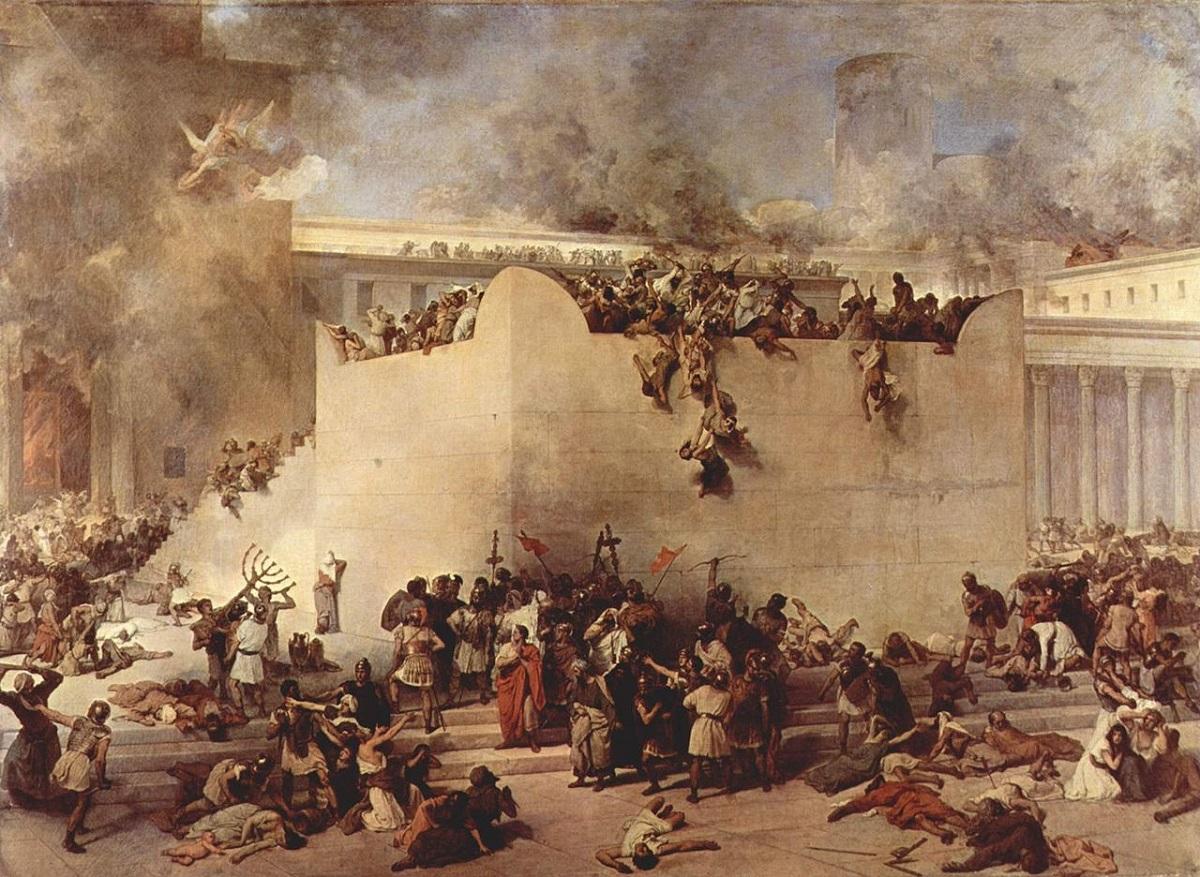
Possibly because they describe the setting in which the Book of Mormon opens, with Lehi preaching, as did Jeremiah, to a wicked nation in the days of Zedekiah, and go on to detail the Babylonian conquest of Jerusalem and the slaying of Zedekiah’s sons, though the writer of Jeremiah was unaware of the escape of one of his sons, Mulek, who made it to the Americas.
10. What passages in Lamentations 1 and 3 did you consider worth marking?
Your choice. Mine would be:
Lam. 3:25-26: “The Lord is good unto them that waiteth for him, to the soul that seeketh him. It is good that a man should both hope and quietly wait for the salvation of the Lord.”