This site is no longer being maintained. To see the latest version of this post, click on: Points to Ponder in Doctrine and Covenants 135-136
To accompany your Come Follow Me study for November 24-30
In addition to reading these two sections this week, you may want to:
- Read Chapter 54: Doctrine and Covenants 134–36 (churchofjesuschrist.org)
- Read Joseph Smith’s Revelations, Doctrine and Covenants 135 (churchofjesuschrist.org)
- Read Saints, 1:521–52, 554-555
- Read “Remembering the Martyrdom,” Revelations in Context, 299–306;
- Read “This Shall Be Our Covenant,” Revelations in Context, 307-314.
- Read Church History Topics, “Succession of Church Leadership,” ChurchofJesusChrist.org/study/history/topics.
You may also enjoy the following videos:
If you would like a Kahoot game related to these sections which you could use with your family or your class, click here https://create.kahoot.it/share/doctrine-and-covenants-135-136/e34eac03-3321-4567-9f0d-cbd819a39974.
Points to Ponder in Doctrine and Covenants 135-136
1. What can you say in defense of the assertion that “Joseph Smith … has done more, save Jesus only, for the salvation of men in this world, than any other man that ever lived in it.” (D&C 135:3.) How did he do more than Adam, Enoch, Noah, Moses, Peter, or Paul?
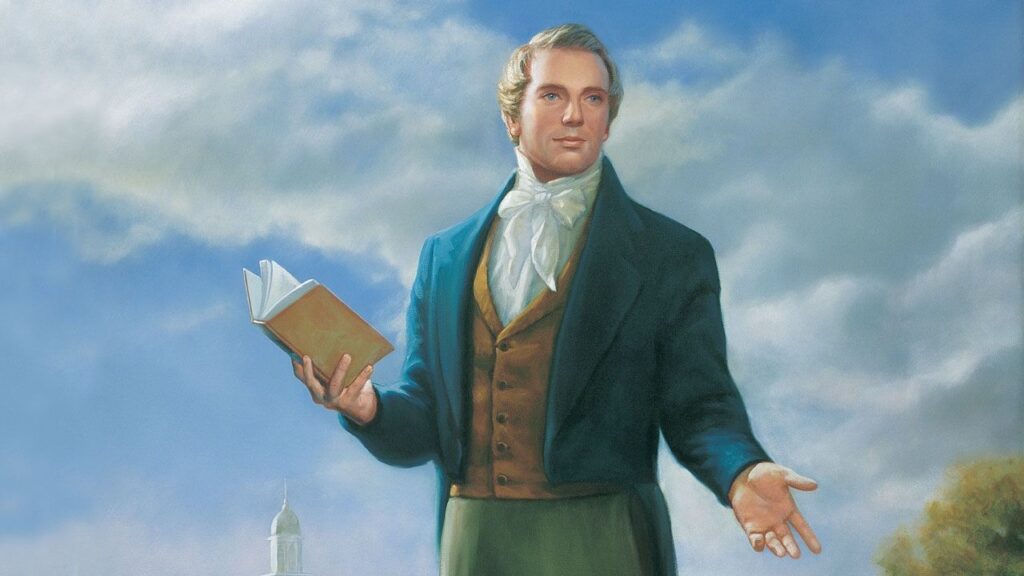
2. If you were to update the tribute to Joseph Smith in D&C 135, what additions or changes would you consider making? Why?
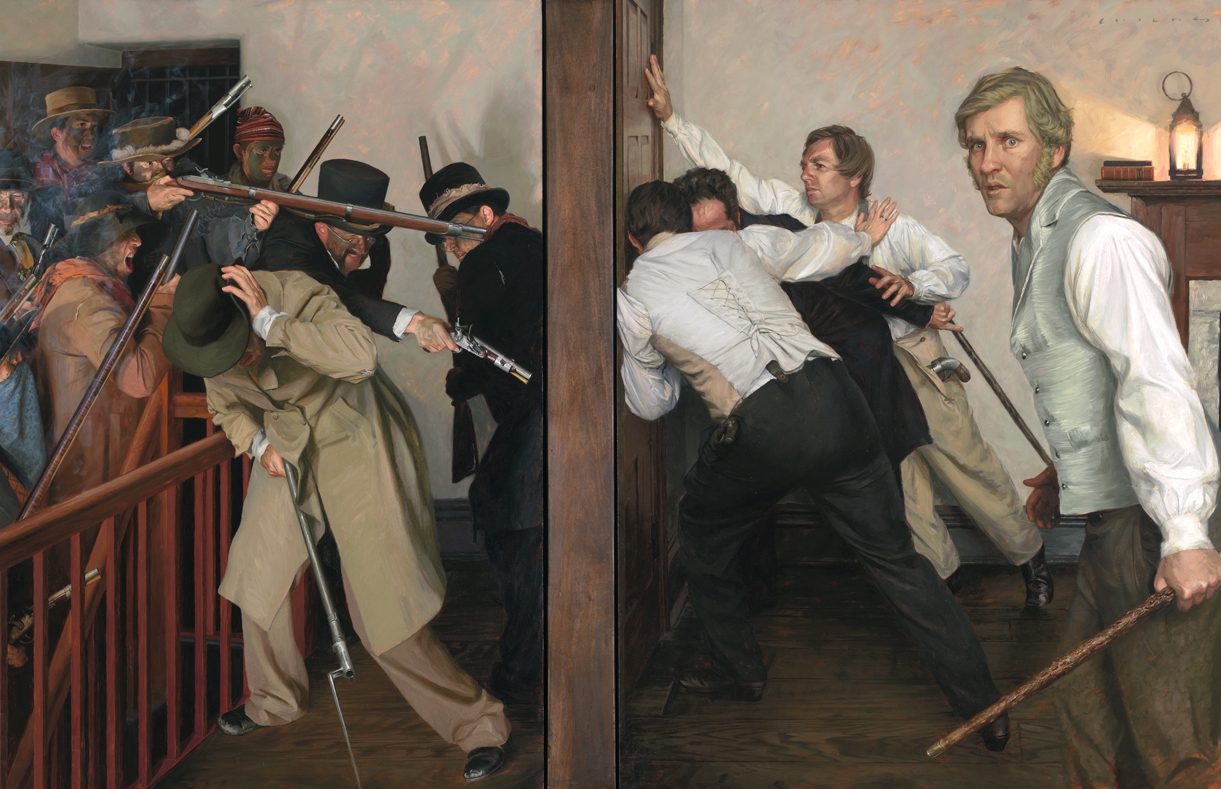
3. In what way does Joseph Smith’s martyrdom constitute “a witness to the truth of the everlasting gospel” (135:7)? Couldn’t an imposter be murdered as readily as a true prophet?

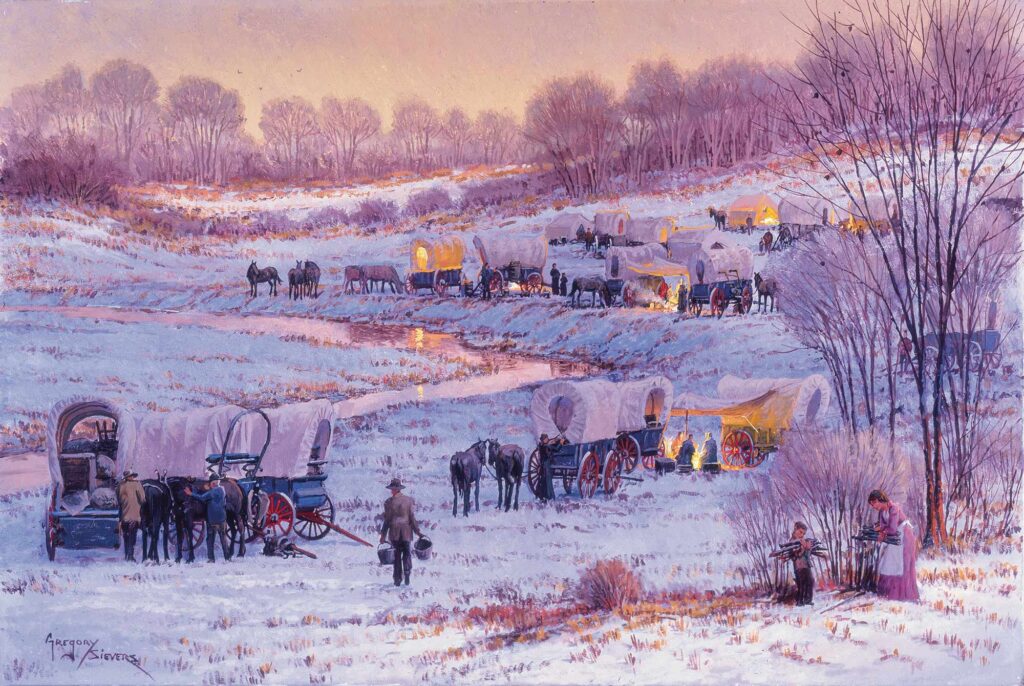
4. What did you find most interesting or impressive about the Lord’s instructions concerning the organization for the westward journey? (136:1-16)
5. Which pieces of practical counsel in 136:17-32 do you consider most surprising or interesting?
6. Which verse in 136:17-32 do you believe most needs to be emphasized among Latter-day Saints today?
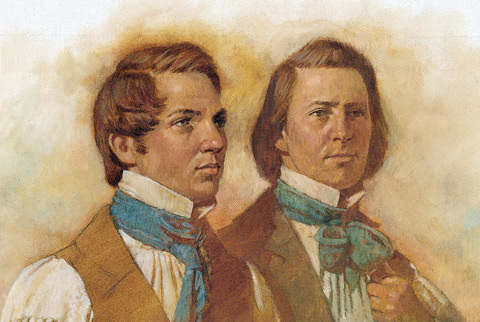
7. Why should the President of the Quorum of the Twelve become the next President of the Church after a current prophet dies? Shouldn’t the Lord reveal His will and pick whoever He wishes, and not just let the most senior apostle ascend to the presidency?
8. Section 136 ends with, “So no more at present. Amen and Amen.” Critics of the Church have said there was never any more. How do we explain why the Church doesn’t continue to add to the Doctrine and Covenants with revelations from more recent prophets?
Possible Answers to Points to Ponder in Doctrine and Covenants 135-136
1. What can you say in defense of the assertion that “Joseph Smith … has done more, save Jesus only, for the salvation of men in this world, than any other man that ever lived in it.” How did he do more than Adam, Enoch, Noah, Moses, Peter, or Paul?
Joseph Smith’s dispensation is the last and greatest dispensation, preparatory to the return of Jesus Christ to usher in the Millennium. The Church restored through him is larger numerically than at any time in history, so more have been directly impacted by his ministry. Furthermore, through him were restored the priesthood keys whereby countless millions on the other side of the veil can be redeemed through vicarious work done in temples. Latter-day Saints do not claim that Joseph Smith was any better as a man than any of the other great prophets, but they do maintain that the work which the Lord began through him will have further reaching immediate consequences than that of any prophets of antiquity.
2. If you were to update the tribute to Joseph Smith in D&C 135, what additions or changes would you consider making? Why?
I would not feel the need to make that succinct and powerful resume of Joseph Smith’s life any wordier, but I might consider adding a few words to highlight the marvelous growth of the work which he began, to fill the earth.
3. In what way does Joseph Smith’s martyrdom constitute “a witness to the truth of the everlasting gospel” (135:7)? Couldn’t an imposter be murdered as readily as a true prophet?
He wasn’t simply murdered but went willingly to his death, having foretold the outcome as per D&C 135:4. As such, his death becomes a profound statement of his personal testimony of his own calling.
4. What did you find most interesting or impressive about the Lord’s instructions concerning the organization for the westward journey? (136:1-16)
Your choice. I might mention the care taken to provide for the poor, including families whose heads were in the Mormon Battalion (136:8).
5. Which pieces of practical counsel in 136:17-32 do you consider most surprising or interesting?
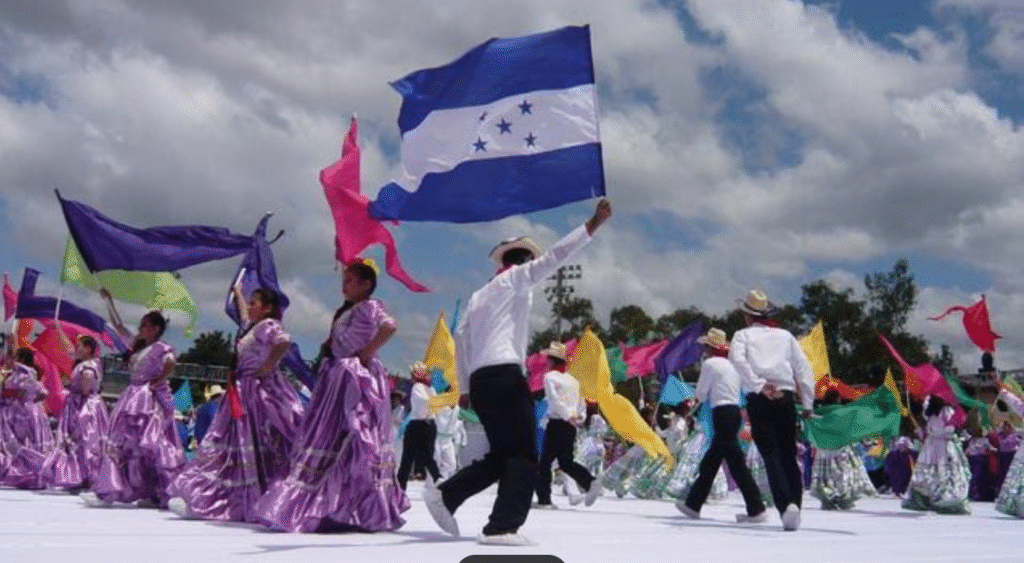
Your choice. Perhaps the idea that the Lord can be praised through dancing (136:28), or that those who discover lost items are to search diligently for their owner (136:26).
6. Which verse in 136:17-32 do you believe most needs to be emphasized among Latter-day Saints today?
Your choice. Perhaps “Cease to contend one with another (136:23),” or “cease to speak evil one of another,” or “let your words tend to edifying one another (136:24).”
7. Why should the President of the Quorum of the Twelve become the next President of the Church after a current prophet dies? Shouldn’t the Lord reveal His will and pick whomever He wishes, and not just let the most senior apostle ascend to the presidency?
The Lord does reveal His will, as it is He who controls life and death and preserves in seniority the man He has foreordained to become the next President of the Church. As the Quorum of the Twelve is next in authority to the First Presidency, the President of the Quorum is automatically in charge upon the death of the President of the Church, as the Quorum of the First Presidency is thereby dissolved and the counselors to the President return to their positions of seniority in the Quorum of the Twelve. This procedure makes it clear to everyone whom the Lord’s choice is, rather than leave the matter open to suspicions of competition for the position, as might occur in other organizations.
8. Section 136 ends with, “So no more at present. Amen and Amen.” Critics of the Church have said there was never any more. How do we explain why the Church doesn’t continue to add to the Doctrine and Covenants with revelations from more recent prophets?
The Doctrine and Covenants was never intended to be a comprehensive collection of all revelations, even of those Joseph Smith received, just as the Bible nowhere claims to include all of the inspired teachings and evidences of divine power from ancient times. But recent prophets have testified that revelation is ongoing. President Spencer W. Kimball, for example, in an April 1977 General Conference address said: “There are those who would assume that with the printing and binding of these sacred records (standard works), that would be the ‘end of the prophets.’ But again we testify to the world that revelation continues and that the vaults and files of the Church contain these revelations which come month to month and day to day. We testify also that there is, since 1830 when The Church of Jesus Christ of Latter-day Saints was organized, and will continue to be, so long as time shall last, a prophet, recognized of God and his people, who will continue to interpret the mind and will of the Lord.”
It is obvious that it would be an editorial and publishing nightmare if a new edition of the D&C were to be issued every time a prophet received new revelation. The Doctrine and Covenants is best considered a monument to the restoration, containing the foundational documents related to the establishment anew of God’s kinddom on earth. Most current revelations are administrative and do not reflect changes to Church doctrine. It is entirely possible that the First Presidency will decide to add additional documents to the D&C in the future, perhaps including the 1995 Proclamation on the Family. But in the meantime, we can be fully assured that our current prophet continues to receive constant revelation to guide the Lord’s work on earth.