This site is no longer being maintained. To see the latest version of this post, click on: Points to Ponder in Doctrine and Covenants 98-101
To accompany your Come Follow Me study for September 8-14
In addition to reading these sections you will want to:
- Read Chapter 38: Doctrine and Covenants 98–100 (churchofjesuschrist.org)
- Read Chapter 39: Doctrine and Covenants 101 (churchofjesuschrist.org)
- Read Joseph Smith’s Revelations, Doctrine and Covenants 98 (churchofjesuschrist.org)
- Read Joseph Smith’s Revelations, Doctrine and Covenants 99 (churchofjesuschrist.org)
- Read Joseph Smith’s Revelations, Doctrine and Covenants 100 (churchofjesuschrist.org)
- Joseph Smith’s Revelations, Doctrine and Covenants 101 (churchofjesuschrist.org)
- Read Saints, 1:171–93;
- Read “Waiting for the Word of the Lord,” Revelations in Context, 196–201.
- Read “A Mission to Canada,” Revelations in Context, 202–7.
- See the following videos:
If you would like a Kahoot game related to these sections which you could use with your family or your class, click here: https://create.kahoot.it/share/doctrine-and-covenants-98-101/c81d581b-5ae1-4550-8da5-1228380b9733.
Points to Ponder in Doctrine and Covenants 98-101
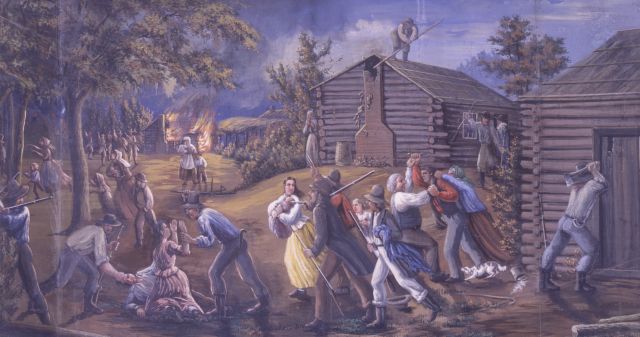
1. Why do you suppose the Lord would begin D&C 98 by telling the Saints to “fear not, let your hearts be comforted; yea, rejoice evermore, and in everything give thanks” when the members in Jackson County, Missouri, had just been victims of mob violence and were being evicted from their anticipated site of Zion and seemingly had little to rejoice about or be thankful for?
1a. What is the difference between civic duties and civic responsibilities? Can you list one of each which the Lord outlines in this week’s reading and give the reference for each?

2. What is the practical application of the commandment in D&C 98 to wait until after three attacks before defending yourself? If you let an enemy shoot at you without opposition three times, isn’t it likely to be too late?

3. What to you is the most important idea in D&C 99 that you could apply in your life?
4. Which four consecutive verses in this week’s reading would likely be the most encouraging to full time missionaries?

5. Who was assigned to fill the same function for Joseph Smith that Aaron was for Moses? Why would Joseph Smith need such a person?

6. What do you find most appealing in the Lord’s portrait of millennial conditions as found in this week’s reading?
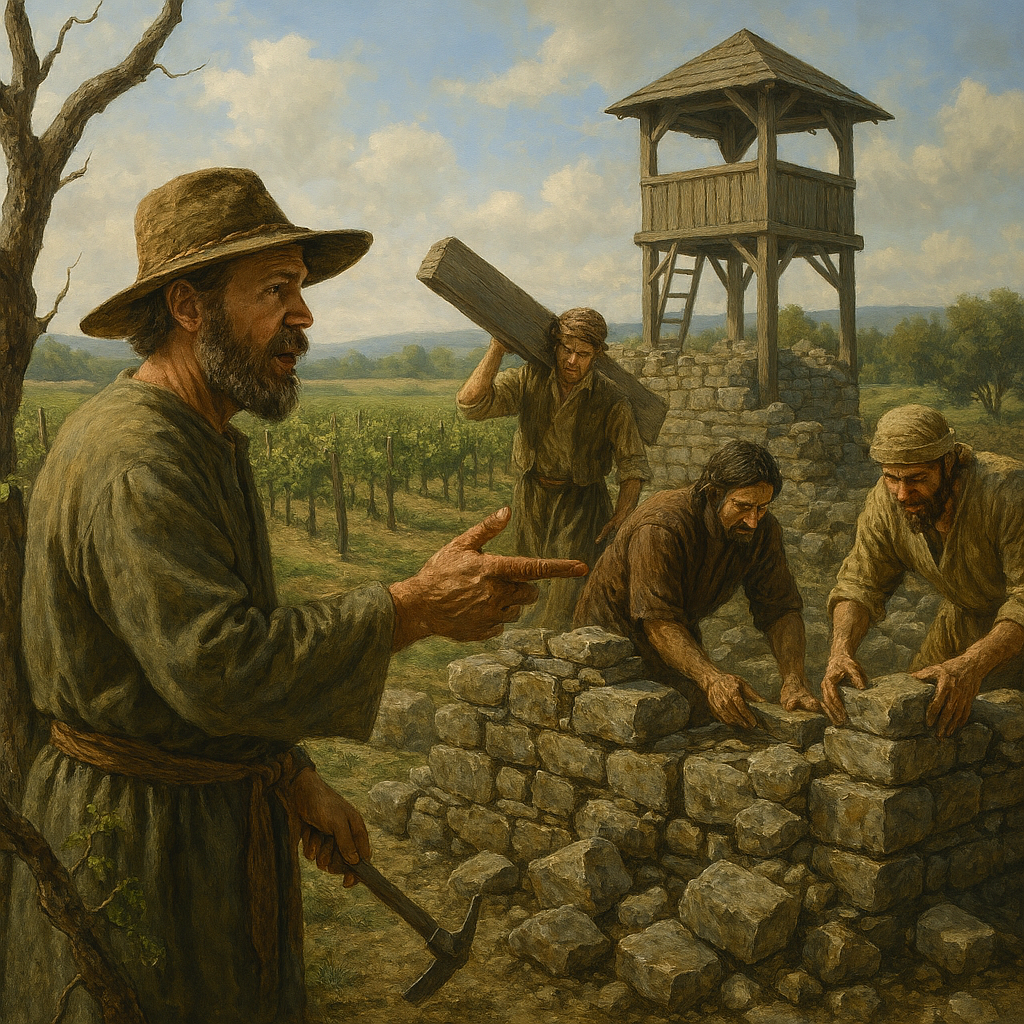
7. In ten words or less, sum up the essential point of the Lord’s parable in 101:43-62.
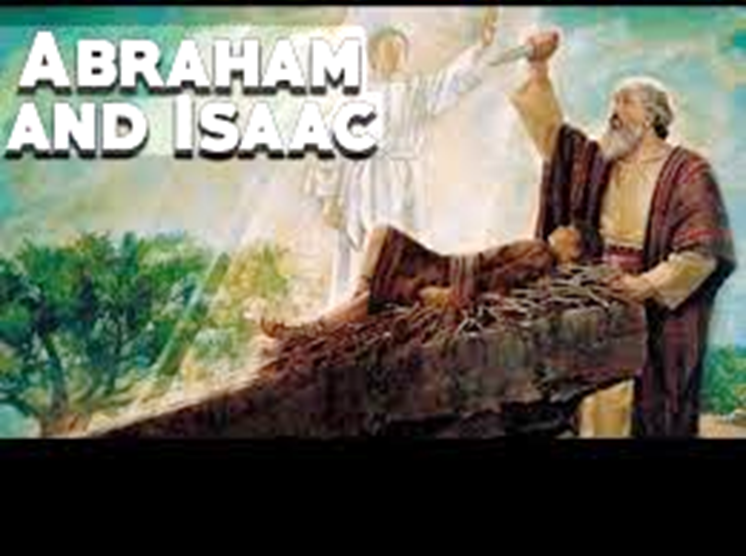
8. Is 101:4 a specific punishment to be visited upon the unfaithful Jackson County saints or a general experience awaiting all who would become exalted? If the former, why would only they have to experience it? If the latter, how do you square that idea with the evident experience of many Latter-day Saints who have not been tried as severely as Abraham? [Joseph Smith is quoted as saying, “It is quite as necessary for you to be tried as it was for Abraham and other men of God, and God will feel after you, and He will take hold of you and wrench your very heart strings, and if you can’t stand it you will not be fit for an inheritance in the Celestial Kingdom of God. (Journal of Discourses 24:197.)
9. What is so important about the US Constitution that the Lord himself would have prompted its establishment?
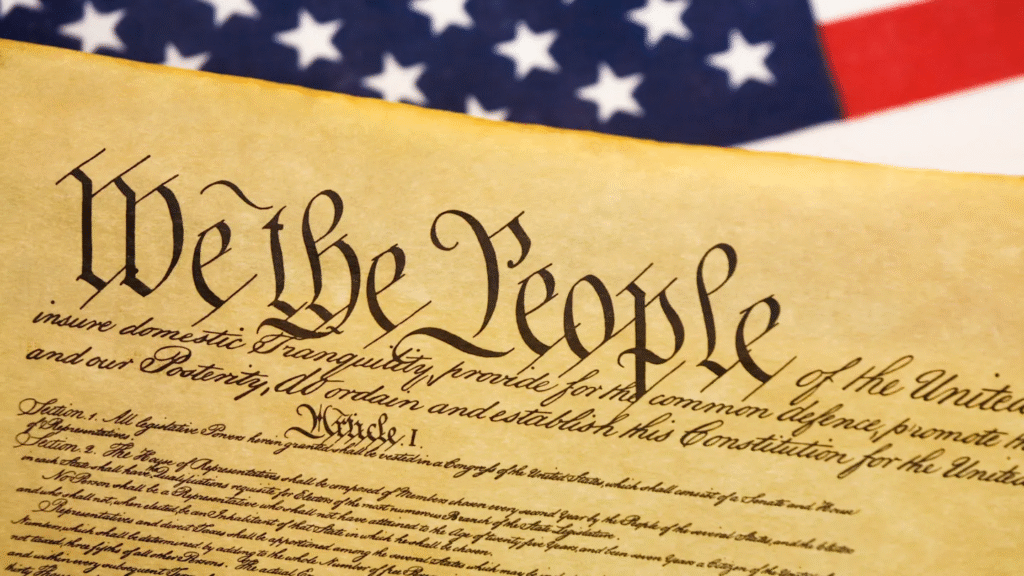
10. How can the US Constitution promote the rights and protection of “all flesh” (101:77) when the US has only about 1/20 of the earth’s population and most other nations would resent intrusion by the US in their politics?
11. In ten words or less, what is the main point of the parable in 101:81-85?
GIVE SECTION AND VERSE FOR EACH OF THE FOLLOWING IDEAS:
12. The first mention of organizing what would come to be called Zion’s Camp.

13. A passage which has the same general meaning as D&C 90:24.
14. The four verses (not necessarily consecutive) in D&C 101 which best explain why the Lord allowed such calamities to come upon the Jackson County saints?
16. The verses in D&C 101 you think the exiled saints from Jackson County would have found most comforting.
17. The Lord will still establish Zion in Missouri someday.
18. The occasionally voiced idea that the Savior could stage the Second Coming without everyone necessarily being aware of it is misguided speculation.
19. Man is unlikely, prior to the Millennium, to discover exactly how the earth was created.
20. Comfort for the member who feels left out because he thinks he’ll probably die before the Second Coming finally arrives.
21. We should aspire to see God.
23. The Lord specifies the main prerequisite to the eventual establishment of Zion.
24. The Lord does not condone human slavery.
Possible Answers to Points to Ponder in Doctrine and Covenants 98-101
1. Why do you suppose the Lord would begin D&C 98 by telling the Saints to “fear not, let your hearts be comforted; yea, rejoice evermore, and in everything give thanks” when the members in Jackson County, Missouri, had just been victims of mob violence and were being evicted from their anticipated site of Zion and seemingly had little to rejoice about or be thankful for?
Though Church members in Missouri surely had some serious challenges in the short term, in the eternal perspective of things they still had much for which to be grateful. The gospel was still true, and the atonement still brought the righteous peace in this world and the promise of eternal life in the world to come. (D&C 59:23.) The building of Zion would be delayed but would still occur. By comparison, the temporary setbacks and trials were trivial. Even if their mortal lives should be cut short, eternal life awaited them! (98:13)
1a. What is the difference between civic duties and civic responsibilities? Can you list one of each which the Lord outlines in this week’s reading and give the reference for each?
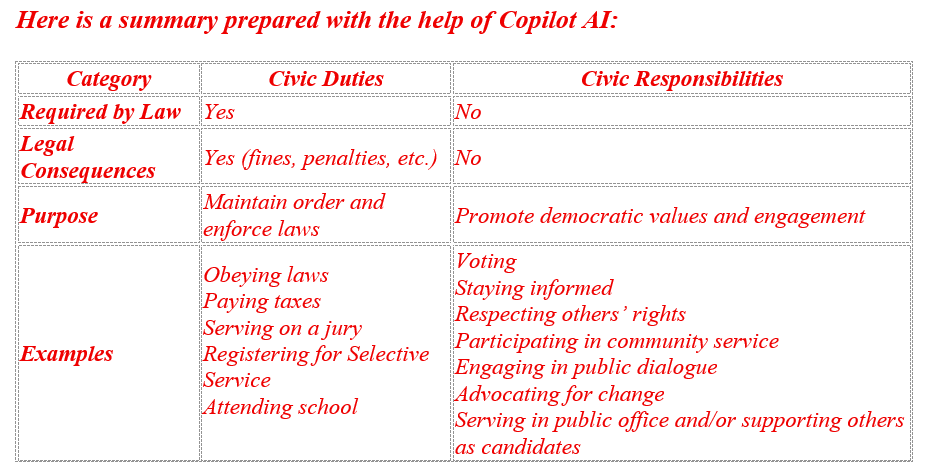
In D&C 98 the Lord mentions one of each:
- Uphold constitutional law, which implies obeying it (98:5-6) (A duty)
- Support honest and wise candidates for office (98:10) (A responsibility)
In addition, Church leaders through the years have urged members in all lands to comply with other civic duties and have encouraged them to accept civic responsibilities. See Article of Faith 12.
2. What is the practical application of the commandment in D&C 98 to wait until after three attacks before defending yourself? If you let an enemy shoot at you without opposition three times, isn’t it likely to be too late?
There is nothing in D&C 98 which precludes self defense even on the first occasion an enemy attacks. What is forbidden is offensive or preemptive action, or the seeking of vengeance. D&C 98 says this was the law given to the ancient Israelites as well as the Nephites, none of whom had any qualms against defending themselves. When the Nephites moved from simply defending themselves from the Lamanites to launching attacks to wreak vengeance on them, the righteous Mormon was no longer willing to lead them into battle. But when Nephite military action once again became purely defensive, even though it was out of necessity, Mormon was willing once again to reassume the command.
3. What to you is the most important idea in D&C 99 that you could apply in your life?
Your choice. Perhaps it could be that we need to seek a balance and not use Church obligations as an excuse to neglect our families.
4. Which four consecutive verses in this week’s reading would likely be the most encouraging to full time missionaries?
Probably 100:5-8. At least that was the scriptural passage I had printed on my missionary program when I left on my mission as a young man (back in the days when such a thing as “missionary farewells” and printed programs were considered acceptable.)
5. Who was assigned to fill the same function for Joseph Smith that Aaron was for Moses? Why would Joseph Smith need such a person?
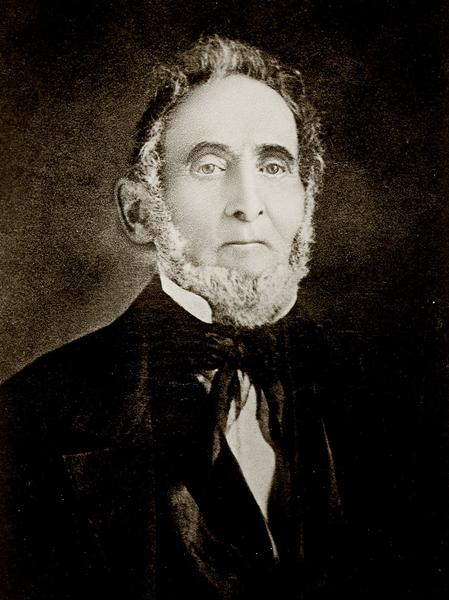
Sidney Rigdon was called to be Joseph’s “spokesman,” as Aaron was for Moses. Though Joseph Smith was the Lord’s prophet, Sidney was better educated, more polished, and a better orator than Joseph, especially in the beginning.
6. What do you find most appealing in the Lord’s portrait of millennial conditions as found in this week’s reading?
Your choice. I might pick 101:26, the removal of “enmity of all flesh.”

7. In five words or less, sum up the essential point of the Lord’s parable in 101:43-62.
Perhaps something like “Preparation is preferable to reparation,” or “Zion will yet be redeemed.”
8. Is 101:4 a specific punishment to be visited upon the unfaithful Jackson County saints or a general experience awaiting all who would become exalted? If the former, why would only they have to experience it? If the latter, how do you square that idea with the evident experience of many Latter-day Saints who have not been tried as severely as Abraham? [Joseph Smith is quoted as saying, “It is quite as necessary for you to be tried as it was for Abraham and other men of God, and God will feel after you, and He will take hold of you and wrench your very heart strings, and if you can’t stand it you will not be fit for an inheritance in the Celestial Kingdom of God. (Journal of Discourses 24:197.)
It seems to be a general requirement that in order to be exalted one must be willing to give up all else that is most dear, if necessary. The fact that not all seem to be so tested may be partly explained by the idea that not all passed the easier tests, so the “final exam” may not have to have been given, and/or by the idea that many endure trials in their lives that others around them know nothing of. And once they have shown their willingness to sacrifice all, the Lord has no need to continue the test. E.g., it wasn’t necessary for Abraham to kill Isaac–just to show briefly that he was willing to.
9. What is so important about the US Constitution that the Lord himself would have prompted its establishment?
Above all, its guarantee of religious freedom; secondarily, the political freedom and personal freedom that it promotes.
10. How can the US Constitution promote the rights and protection of “all flesh” (101:77) when the US has only about 1/20 of the earth’s population and most other nations would resent intrusion by the US in their politics?
The principles of the US Constitution have been and can yet be the model for constitutions of other nations. In the Lord’s millennial reign, the underlying principles of the US Constitution will be promoted as part of the political Kingdom of God, affording equal rights and protection to all. The US, under its inspired constitution, is called to be a defender of freedom and equal rights throughout the world. And since the Church is based in the US, the Constitution becomes an important part of the protection of the Lord’s base of operations, permitting the Church to bless all lands.
11. In ten words or less, what is the main point of the parable in 101:81-85?
Give legal authorities a chance to redress your grievances.
GIVE SECTION AND VERSE FOR EACH OF THE FOLLOWING IDEAS:
12. The first mention of the organization of what would come to be called Zion’s Camp.
101:55-56
13. A passage which has the same general meaning as D&C 90:24.
100:15
14. The four verses (not necessarily consecutive) in D&C 101 which best explain why the Lord allowed such calamities to come upon the Jackson County saints?
Probably 101:2, 6-8
16. The verses in D&C 101 you think the exiled saints from Jackson County would have found most comforting.
Probably 101:12-18
17. The Lord will still establish Zion in Missouri some day.
101:17, 20
18. The occasionally voiced idea that the Savior could stage the Second Coming without everyone necessarily being aware of it is misguided speculation.
101:23-29

19. Man is unlikely, prior to the Millennium, to discover exactly how the earth was created.
101:33

20. Comfort for the member who feels left out because he thinks he’ll probably die before the Second Coming finally arrives.
101:35
21. We should aspire to see God.
101:38
23. The Lord specifies the main prerequisite to the eventual establishment of Zion.
101:75
24. The Lord does not condone human slavery.
101:79